Friday, June 2, 2023

Signs of Mold – How to Know if You Have Mold

Signs of Mold - How to Know if You Have Mold

Mold is a common issue that can affect homes, leading to various health problems and structural damage if left unaddressed. Identifying the signs of mold early on is crucial for effective mold remediation and ensuring a healthy living environment.

In this article, we will explore the different signs of mold in homes and discuss why prompt action is necessary. Let’s dive in!
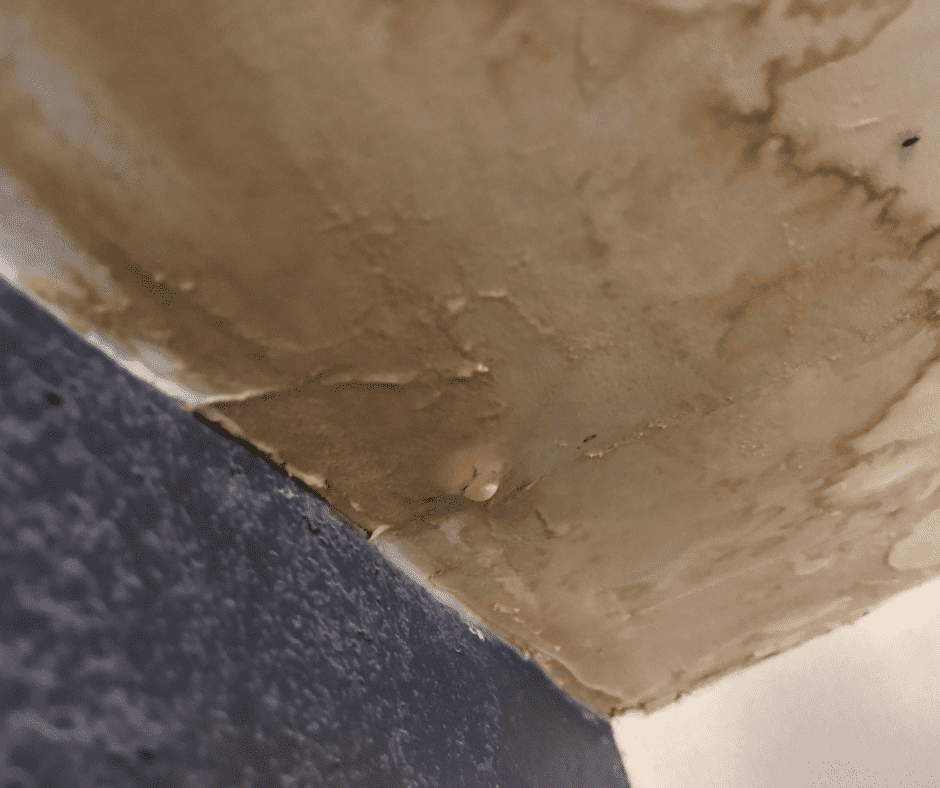
mold damage

What is Mold?

Mold is a type of fungus that thrives in moist and humid environments. It reproduces by releasing spores into the air, which can then settle and grow in various areas of a home.

Identifying the signs of mold early is essential to prevent its spread and potential health hazards.

Signs of Mold in Homes

Visible Mold Growth

The most obvious sign of mold is visible growth on surfaces. Mold can appear in various colors, including black, green, or white, and it may have a fuzzy or slimy texture. 

Check areas prone to moisture, such as bathrooms, kitchens, or areas affected by water leaks or flooding.

Musty Odor

One of the first signs of mold in a home is a persistent musty odor. If you notice a damp, earthy smell that lingers for a while, it may indicate the presence of mold.

The odor is often more noticeable in enclosed spaces such as basements, attics, or areas with poor ventilation.

Not only that but mold can also affect clothing, fabrics, and other porous materials. You would sense a persistent musty smell on your clothes, towels, or upholstery, even after washing.

And lastly, sometimes there may not be a musty, rotten smell, but just a bad indoor air quality in general, with a stuffy or stale atmosphere. This is also a sign something is wrong. 

Health Problems

  • Allergic reactions

Individuals sensitive to mold may experience allergic reactions when exposed to mold spores. Common symptoms include sneezing, coughing, watery eyes, nasal congestion, or skin rashes.

If you or your family members experience these symptoms consistently at home but not elsewhere, it could be a sign of mold presence.

  • Respiratory issues

Prolonged exposure to mold can lead to respiratory problems. Wheezing, difficulty breathing, chest tightness, or persistent coughing may indicate the inhalation of mold spores and the need for mold remediation.

  • Other health problems

Besides allergic reactions and respiratory issues, mold exposure has been associated with more severe health conditions, including chronic sinus infections, asthma exacerbation, and even fungal infections in individuals with weakened immune systems.

Property Damage

  • Stains and discoloration on walls

Mold growth often results in stains and discoloration on walls, ceilings, or other surfaces.

These stains may appear green, black, brown, or yellow, depending on the type of mold. Pay attention to any unusual discoloration, particularly in areas with poor ventilation or frequent moisture exposure.

  • Peeling paint or wallpaper

Mold growth can cause paint or wallpaper to peel or bubble. Bubbling or cracking on painted surfaces or wallpaper that is peeling off indicate mold growth underneath.

  • Structural damage

As mold grows and spreads, it can cause structural damage to your home. It can weaken walls, ceilings, and floors, leading to structural integrity issues. 

Sagging, bulging, or crumbling surfaces call for further investigation. 

Water Damage

All of the above signs may not be caused by mold. Instead, they may indicate a hidden water leak. 

However, that leak will eventually lead to mold development because of what we said earlier – mold thrives in damp environments.

Areas with water damage, such as busted pipe leaks, are highly susceptible to mold growth. If your home has experienced water-related issues in the past, closely inspect these areas.

High Humidity

High humidity levels promote mold growth in homes. Use a hygrometer to measure the humidity levels in different areas of your home. Ideally, indoor humidity should be kept below 50% to discourage mold growth. Consider using dehumidifiers or improving ventilation in humid areas.

One of the signs of high humidity levels is excessive condensation on windows, pipes, or other surfaces.

Condensation occurs when warm, moist air comes into contact with cooler surfaces. Monitor areas prone to condensation and take steps to reduce humidity levels.

FAQs

1. Can I remove mold by cleaning it with bleach?

While bleach can temporarily remove mold stains, it does not kill mold spores effectively. The root cause of the problem is usually not located on the surface.

Instead, the cause may be a leak behind walls. If you do not repair that leak for good, all of that cleaning with bleach would just be a waste of time since mold would simply grow again within a few days. 

2. How long does it take to remediate mold in a home?

The time to remediate mold in a home depends on the extent of the infestation and the underlying cause. It can range from a few days to several weeks.

3. Is mold always visible?

No, mold can grow behind walls, under carpets, or in hidden areas where it may not be immediately visible.

4. Can I test for mold myself?

While DIY mold testing kits are available, it’s best to consult professionals for accurate mold testing and assessment. They have the expertise to identify the type of mold and recommend appropriate mold remediation methods.

5. How can I prevent mold growth in my home?

To prevent mold growth, control humidity levels, fix water leaks promptly, ensure proper ventilation, and maintain a clean and dry environment. Regular inspections and addressing moisture issues are key to mold prevention.

Wrapping up

From musty odors and visible mold growth to allergic reactions and respiratory issues, being vigilant about these mold signs can help you address mold-related problems promptly. Remember, mold remediation should be carried out by professionals to ensure thorough and effective removal of all risks.

Read more:

The post Signs of Mold – How to Know if You Have Mold appeared first on Water Damage Restoration Los Angeles CA.


from Water Damage Restoration Los Angeles CA https://ift.tt/wTyAVPL

What to Do After a Flood – Safety Measures

What to Do After a Flood - Safety Measures

Flooding can be a devastating event that leaves homeowners and communities grappling with the aftermath. If you’ve experienced a flood, it’s crucial to know what steps to take afterward to ensure your safety and mitigate further damage.

In this article, we will guide you through the essential actions to take after a flood, from assessing safety to seeking professional help and addressing the emotional impact to your family members. Let’s get started!

floods

What Causes Floods?

Floods can result from various causes, such as heavy rain, river overflow, or storms and hurricanes. Regardless of the cause, it’s important to approach the situation with caution and follow the necessary steps to recover effectively.

After a flood, your first priority should be safety. Ensure that the floodwaters have receded and it’s safe to enter your property. Be mindful of potential hazards like electrical or structural damage.

Floodwaters can contain A LOT of hazards – sewage with urine and feces, trash, dirt, mud, chemicals, commercial and industrial waste, biohazards, a plethora of different bacteria and microbes, and so much more. 

Not only that, but when water comes into contact with your electrical system, there is a risk of short circuits, electrocutions, and even fires. 

Be very careful when entering a flooded property as the structural integrity of your walls and ceilings could be compromised, and NEVER enter the floodwater itself. It’s just not worth the risk. 

If you’re unsure about the safety of the building, consult with professionals before entering.

File a Flood Insurance Claim

Reach out to NFIP as soon as possible to report the flood damage. They will guide you through the claims process and provide information on coverage and reimbursement.

Document all communication with your insurance company, including claim numbers and representatives’ names.

Before cleaning or making any repairs, document the extent of the damage. Take photographs or videos of affected areas, furniture, and belongings.

This evidence will be crucial during the insurance claim process. Make a detailed inventory of damaged items, noting their approximate value and age.

Secure Your Property and Initiate the Recovery Process

To prevent further damage and ensure safety for everyone, take steps to secure your property. Board up broken windows, lock doors, and consider temporary fencing if necessary.

The next step is to remove water and dry out the affected area. Use pumps, wet-dry vacuums, or professional water removal services to extract standing water.

Open windows and doors, if safe, to increase ventilation. Utilize fans, dehumidifiers, and heaters to expedite the drying process.

After removing the water and drying out the area, thoroughly clean and disinfect all surfaces. Use a bleach solution or other appropriate disinfectants to kill any bacteria, viruses, or mold that may have been introduced by the floodwater.

Wear protective gear such as coveralls, gloves, masks, and goggles during the cleaning process.

Once the area is dry and clean, assess the structural damage and determine what needs repair or replacement.

Seek professional help if necessary, especially for electrical, plumbing, or structural issues. Make sure that your professionals follow local building codes and regulations during the restoration process.

You may want to call in a restoration company from the get go. Depending on the amount of water that has flooded your property, you may not be able to carry out water removal and drying on your own. 

Take Care of Your Loved Ones

Experiencing a flood can be emotionally distressing for anyone. It’s important to address the emotional impact and support your family members as well as yourself.

Make sure that you and your loved ones get support from people close to you or professionals who can provide guidance and understanding during this challenging time. 

Remember to prioritize self-care and take breaks when necessary.

Flood-Proof Your Property Against Future Incidents

To minimize the risk of future flood damage, consider taking preventative measures:

  • Elevate appliances and electrical systems.
  • Install backflow valves in plumbing lines to prevent sewage backup.
  • Seal foundation cracks.
  • Consider landscaping techniques that promote water drainage.
  • If you preserved them, make copies of essential documents (identification documents, insurance policies, medical records, and financial records) and store them in a secure, waterproof container or consider digital backups.
  • If you didn’t have flood insurance to cover your incident, now it’s the time to consider purchasing a flood insurance policy so that you do not have to go through the same situation without coverage again. 

Flood Recovery FAQs

1. How long does it take for a flooded house to dry out?

The drying time for a flooded house depends on various factors such as the extent of the damage, the amount of water, and the drying methods used. It can take anywhere from a few days to several weeks.

2. Will my insurance cover flood damage?

Standard homeowner’s insurance policies usually do not cover flood damage. You need separate flood insurance to be adequately protected. Contact your insurance company to discuss your coverage options.

3. Can I clean up the flood damage myself?

For minor floods, you can clean up the damage yourself if you have the necessary equipment and knowledge. However, for extensive or severe damage, it’s recommended to hire professional water damage restoration services.

4. How can I prevent mold growth after a flood?

To prevent mold growth, it’s important to remove excess moisture and dry the affected area promptly. Use dehumidifiers, fans, and proper ventilation to reduce humidity levels. Thoroughly clean and disinfect all surfaces to eliminate any existing mold spores.

5. Should I buy a dehumidifier after a flood?

Using a dehumidifier after a flood can be beneficial in removing excess moisture from the air and preventing mold growth. Consider buying or renting a dehumidifier to aid in the drying process.

Conclusion

Recovering from a flood requires a systematic approach and thorough attention to detail. By following the steps outlined in this article, you can ensure your safety, document the damage, clean and restore your property, and take preventive measures for the future.

Remember to seek professional help when needed and prioritize your emotional well-being throughout the process.

Read more:

The post What to Do After a Flood – Safety Measures appeared first on Water Damage Restoration Los Angeles CA.


from Water Damage Restoration Los Angeles CA https://ift.tt/qZsjcfp

How to Pick a Dehumidifier – Complete Guide

How to Pick a Dehumidifier - Complete Guide

Dealing with excessive moisture in your home? Struggling with water damage?

A dehumidifier could be the solution you’ve been looking for. Excess humidity can lead to mold growth, musty odors, and even health issues.

In this article, we will guide you through the process of picking the right dehumidifier for your needs, ensuring a comfortable and healthy living environment.

water damage drying

Understanding Dehumidifiers

Before we dive into the factors to consider when choosing a dehumidifier, it’s important to understand how they work. Dehumidifiers are appliances that remove excess moisture from the air, reducing humidity levels. They achieve this by condensing the moisture on cooling coils or absorbing it with a desiccant material.

Using a dehumidifier offers several benefits. Firstly, it helps prevent mold and mildew growth, protecting your home and belongings. Secondly, it reduces musty odors, creating a fresher and more pleasant living environment.

Additionally, dehumidifiers can alleviate respiratory issues caused by high humidity levels. They also aid in drying damp laundry faster and can even help preserve the lifespan of certain items like books and electronics.

Factors to Consider When Choosing a Dehumidifier

  1. Size and Capacity

The size and capacity of a dehumidifier are crucial factors to consider. You need to determine the square footage of the area you want to dehumidify and choose a dehumidifier with the appropriate capacity to effectively remove excess moisture in such area.

  1. Humidity Control and Settings

Look for a dehumidifier that offers precise humidity control and adjustable settings. This allows you to set and maintain your desired humidity level, ensuring optimal comfort and efficiency. Speaking of…

  1. Energy Efficiency

Energy efficiency is an important consideration, as it impacts both the environment and your electricity bills. Look for dehumidifiers with an Energy Star rating, as they are designed to consume less energy while providing the same level of performance.

  1. Noise Level

Consider the noise level of the dehumidifier, especially if you plan to use it in living spaces or bedrooms. Look for models that operate quietly, allowing you to enjoy a peaceful environment.

  1. Maintenance and Filter Replacement

Check the maintenance requirements of the dehumidifier. Look for models with easy-to-access filters that can be cleaned or replaced without much hassle. Regular maintenance ensures optimal performance and longevity.

  1. Additional Features

Some dehumidifiers come with additional features like built-in timers, auto-defrost functions, or digital displays. Assess these extra features and determine if they align with your needs and preferences.

Different Types of Dehumidifiers

There are various types of dehumidifiers available in the market. Understanding their differences can help you make an informed decision:

  1. Refrigerative Dehumidifiers

Refrigerative dehumidifiers use a cooling coil to condense moisture from the air. They are ideal for most residential settings and offer effective humidity control.

  1. Desiccant Dehumidifiers

Desiccant dehumidifiers use a desiccant material to absorb moisture from the air. They are often more energy-efficient and operate at lower temperatures, making them suitable for colder environments.

  1. Whole-House Dehumidifiers

As the name suggests, whole-house dehumidifiers are designed to dehumidify an entire home. They are typically installed as part of the HVAC system.

  1. Portable Dehumidifiers

Portable dehumidifiers are versatile and can be easily moved from room to room. They are suitable for smaller spaces or areas that require temporary dehumidification, like water-damaged rooms. 

How to Determine the Right Size for Your Space

Determining the right size of dehumidifier for your space is essential for optimal performance.

Follow these steps to calculate the appropriate capacity:

Step 1: Measure the length and width of the room in feet.

Step 2: Multiply the length and width measurements to get the square footage.

Step 3: Consider the moisture level in your area:

  • If the room is slightly damp, multiply the square footage by 1.5.
  • If the room is very damp, multiply the square footage by 2.
  • If the room is wet or has water damage, multiply the square footage by 3.

Step 4: The resulting number is the capacity you should look for in a dehumidifier (in pints).

Step-by-Step Guide to Choosing a Dehumidifier

Now that you have a clear understanding of the factors and types of dehumidifiers, follow this step-by-step guide to choose the right dehumidifier:

  1. Assess Your Needs

Evaluate why you need a dehumidifier. Is it for a specific room or the entire house? Do you have any specific requirements or concerns?

Perhaps you have water damage. Do you really need to purchase a dehumidifier? Or can you just hire a water damage restoration company to handle the problem for you?

Weigh in your options. 

  1. Calculate the Room Size

Measure the dimensions of the room and calculate the square footage to determine the capacity required, as outlined above.

  1. Determine the Desired Humidity Level

Decide on the desired humidity level to maintain in your space. This will help you choose a dehumidifier with appropriate control settings.

  1. Research and Compare Models

Conduct thorough research on different dehumidifier models. Consider their features, performance, and customer reviews. Compare their specifications to find the best fit for your needs.

Some of the popular models include Haier 20-Pint Dehumidifier, BLACK+DECKER 30-Pint Dehumidifier, and Honeywell 70-Pint Dehumidifier. 

  1. Read Customer Reviews

Read reviews from customers who have purchased and used the dehumidifiers you are considering. Pay attention to their experiences, pros, and cons to gain valuable insights.

  1. Consider Energy Efficiency

Opt for an energy-efficient dehumidifier to reduce your environmental footprint and save on energy costs in the long run.

  1. Evaluate Noise Levels

If noise is a concern, choose a dehumidifier that operates quietly, especially for bedrooms or living areas.

  1. Check for Maintenance Requirements

Ensure the dehumidifier you choose has easily accessible filters and consider the maintenance requirements. This will help you keep the unit running smoothly.

Conclusion

Picking the right dehumidifier is crucial for maintaining a comfortable and healthy living environment. Consider factors such as size, capacity, humidity control, energy efficiency, noise level, and maintenance requirements when making your decision. 

By following our step-by-step guide and understanding the different types of dehumidifiers available, you can confidently choose a dehumidifier that meets your specific needs.

Other helpful posts:

The post How to Pick a Dehumidifier – Complete Guide appeared first on Water Damage Restoration Los Angeles CA.


from Water Damage Restoration Los Angeles CA https://ift.tt/6NCa9Fg

Wednesday, May 31, 2023

Can You Clean Mold Yourself

Can You Clean Mold Yourself

The decision of whether or not to tackle mold removal on your own depends greatly on your specific circumstances. Firstly, let’s consider your well-being.

It’s important to be aware that mold can pose health risks, particularly if you’re dealing with a hazardous type such as Aspergillus or Stachybotrys (commonly known as “black mold“). These varieties of mold can be harmful to individuals with weakened immune systems or respiratory conditions.

If you, as an average individual without any training or extensive knowledge about mold, attempt to address the issue without proper equipment, it could lead to problems.

Now, let’s explore whether you can actually eliminate the mold yourself, without professional equipment.

In many cases, you can. If the affected area is small, you should be able to clean the mold without encountering significant difficulties.

However, if the mold infestation covers a larger area, it is advisable to seek the assistance of a professional.

Continue reading to learn more.

can you clean mold yourself

Do You Need a Professional to Remove Mold

The severity of the mold problem directly correlates to the likelihood of needing professional mold removal services. 

Not only is it unsafe to attempt mold removal on your own when the problem is overwhelming, but you are also likely to be unsuccessful since the root cause of major mold issues is typically deep within the walls, e.g. a busted pipe. 

Mold is usually caused by water damage and therefore if you don’t successfully mitigate water damage and its cause, any mold cleanup you do won’t address the problem successfully. 

Simply wiping or brushing the affected surface won’t do anything. 

How Do Companies Remove Mold

Professionals commence the mold removal process by containing the affected area, preventing further contamination in unaffected regions. 

Once this is accomplished, they proceed to remove the mold, often requiring the removal of the affected surface, which unfortunately may not be salvageable in most cases.

After successfully eliminating the mold, mold removal technicians undertake a thorough cleaning to ensure no remnants are left behind. 

Additionally, they may enhance the treated surface’s resistance to future mold problems by utilizing a sealer or similar products.

How Much Does Professional Mold Removal Cost

In California, mold remediation usually costs $1,500-3,500. With the more severe cases, the cost can go into five figures. 

Mold removal companies quote each client individually. It’s impossible to have a one-size-fits-all price tag because each client has a different kind of mold problem. 

Conclusion

If you need any help with mold removal, please don’t hesitate to contact us. Vetted Los Angeles Restorations offers 24/7 emergency service to all of Los Angeles County.

More helpful articles:

The post Can You Clean Mold Yourself appeared first on Water Damage Restoration Los Angeles CA.


from Water Damage Restoration Los Angeles CA https://ift.tt/YjORyiX

Saturday, May 27, 2023

The Impact of Water Damage on Property Value

The Impact of Water Damage on Property Value

Water damage can have a significant impact on the value of a property. Whether it’s caused by a burst pipe, a leaking roof, or even a natural disaster like a flood, water damage can lead to various issues that affect the structural integrity and overall condition of a building. 

Today, we will explore the different aspects of water damage and its implications for property value, backed up by studies from credible institutions. So, without any further ado, let’s get right into it!

impact of water damage on property value

Understanding Water Damage

Before delving into the impact on property value, it’s crucial to understand what water damage entails. Water damage refers to the destruction, deterioration, or impairment of a property caused by water intrusion via a leak, overflow, or spill. 

Various things can cause it, including plumbing failures, faulty appliances, or simply inadequate maintenance of smaller leaks that eventually turn into a bigger issue. 

Assessing the Impact of Water Damage on Property Value

When evaluating the impact of water damage on the value of your property, several key factors come into play. Understanding these factors is crucial for property owners, potential buyers, and insurers alike.

Extent of Water Damage

One of the primary concerns with water damage is its impact on a property’s structural integrity. Prolonged exposure to water can damage load-bearing walls, drywall, and insulation, weaken foundations, and compromise the overall stability of the entire home or commercial building.

The more damage the property has sustained and the longer the damage has been prevalent, the more extensive and costly repairs may be necessary to restore the property to its normal condition.

Hence, those water damage restoration costs, which typically range from $1,500 to $5,000, will likely be subtracted from the initial value of the property, leading to a lower asking price.

Mold and Mildew

Water damage almost always leads to the growth of mold and mildew. Mold can spread rapidly, causing not only structural damage but also potential health problems for occupants.

The presence of mold and mildew can significantly diminish property value, as prospective buyers may be deterred by the associated health risks and the need for extensive (and expensive) mold remediation.

Here’s some hard data. Mold can devalue your property by 20 to 37%, according to the Appraisal Journal. Also, the same article says that around 50% of potential buyers walk away from the deal when they learn of a mold problem in a house.

Insurance Coverage

Water damage insurance coverage can vary a lot, depending on the policy and the cause of the damage. Most policies cover only accidental and sudden damage that happens indoors. Keywords are “accidental” and “indoors”. Both conditions have to be met.

For example, if there is a leak that wasn’t sudden and instead caused damage over an extensive period of time by going unnoticed and untreated, insurance companies will view that as preventable damage and not as “an accidental and sudden event that was out of your control”.  

But let’s also take flooding. Completely accidental and out of your control, but still not originating from indoors. The same goes for sewage backups caused by external forces like severe weather, flooding, or tree roots penetrating through sewer line pipes. 

These events often necessitate separate policies for protection. 

Whether or not an insurance company will cover the costs of repairs will play a role in the valuation of your house or place of business. 

Also, one more thing to keep in mind is that the insurance company will likely just pay for the repairs of the damage itself and not for the repairs of what caused the damage (e.g., a leaking pipe or dishwasher). 

Having a damaged dishwasher or a faulty water supply line won’t help sell your house for more, that’s for sure. 

Water Damage Category

Water damage can manifest in multiple different forms, each with varying degrees of contamination:

  • Clean water: This refers to leaks from clean water sources, such as a broken water supply line. It poses the least health risks but can still lead to hefty losses if not addressed in time.
  • Gray water: Refers to leaks from malfunctioning appliances or AC units. Gray water requires a little extra work when being cleaned because it can be slightly filthy. 
  • Black water: Contains harmful bacteria, all sorts of biological and industrial waste, trash, and more. It typically arises from sewage backups, flooding, or other natural disasters. This water damage category is definitely the most dangerous, and it almost always requires professional assistance.

More contaminated types of water damage are harder to clean up, leading to more expensive restoration costs, which, again, lead to lower valuations. 

Cause of Water Damage

Water damage can be triggered by various events. Common culprits include:

  • Plumbing issues: Leaking or burst pipes, faulty plumbing fixtures, or water supply line leaks.
  • Roofing leaks: Damaged or improperly installed or maintained roofs can allow water to seep into the property.
  • Appliance malfunctions: Washing machines, dishwashers, or water heaters can leak water, usually because of a clogged drain.
  • Poor drainage: Improper grading or clogged gutters and downspouts can result in water accumulation around the property, which would eventually find its way indoors. 
  • Natural disasters: Floods, storms, or hurricanes.

Different water damage causes can lead to different amounts of losses and destruction. Floods are among the worst, with flooded properties capable of losing up to 60% of their value in extreme scenarios, according to Ebbwater.

Location - Is Your Property in a Floodplain?

The location of a property also plays a big role in determining its value. In areas prone to flooding or natural disasters, AKA floodplains, properties can be devalued by around 7% due to a higher perceived risk.

Conversely, properties in low-risk areas with effective flood prevention measures may be less affected by these concerns, effectively leading to higher valuations.

Market Conditions

Property values are also influenced by market conditions and buyer preferences. In a competitive market, buyers may be less inclined to purchase a property with a history of flooding, as it might require additional investments and repairs. In a buyer’s market, the impact may be less severe, but it can still influence negotiations and offers.

Mitigating Water Damage

Prevention and timely intervention are key to mitigating the impact of water damage on property values.

Taking proactive measures to prevent water damage is crucial. This includes routine maintenance, inspections, and addressing potential issues promptly. Installing proper drainage systems, maintaining roof integrity, and ensuring plumbing fixtures are in good condition can help reduce the risks.

Not only that, but these installations and regular repairs could also help boost the value of a house. 

If water damage does occur, swift action is necessary to minimize its impact. Hire a water damage restoration company so that they can handle the issue in time before it gets any worse.

Having a professional restore the damage for you is worth it because they’ll do all of the work right from the start, while you may easily make mistakes when DIY-ing due to a lack of experience, mistakes that can just waste your time and allow for water to further spread and cause more harm. 

Professionals will also take on all of the health risks associated with water damage instead of you, which is another huge benefit. 

Make sure that they help you take some water and flood-proofing measures for the future, either by doing it themselves or telling you exactly what you need to do. 

The same study by Ebbwater that we have mentioned earlier also says that some buyers are willing to spend more on a property that has been properly rebuilt and flood-proofed, so take that into consideration. 

Conclusion

And there you have it! 

So, how much will your property’s value be impacted?

Hard to say without knowing which factors we’ve outlined are in play for you and which are not. 

Use this post as assistance in further calculations. We’ve linked to some studies, but in the end each situation is unique and requires its own in-depth analysis. 

We hope this article was helpful to you. If you wish to learn more, just check out some of the other posts we have on our blog. If you need help with water damage, call us for a quote now!

The post The Impact of Water Damage on Property Value appeared first on Water Damage Restoration Los Angeles CA.


from Water Damage Restoration Los Angeles CA https://ift.tt/Ltn4kIr

Thursday, May 18, 2023

Navigating Water Damage Insurance Claims: A Complete Guide

Navigating Water Damage Insurance Claims: A Complete Guide

Water damage is so common that most standard home insurance policies cover it. The rider is that the water damage must be internal, sudden, and accidental. 

Water damage from flooding and natural disasters is typically not covered, so you will need to take out flood insurance. 

Anyway, when water damage happens, filing a water damage claim with your insurer is imperative. And when you do, you want your claim to be honored and get the highest payout to ensure all the damage is adequately covered. 

Here is a step-by-step guide on how to file a successful claim.

water damage insurance

1. Minimize Damage

The first thing your insurer expects you to do is prevent further damage. Some of the things you can do include the following:

  • Remove undamaged items from harm’s way
  • Follow safety precautions like turning off your main water supply valve if the water damage is from a burst pipe. 
  • Turn off your main electricity supply to avoid the possibility of a fire
  • Investigate and have the leak fixed immediately

2. Determine If Your Water Damage Is Covered By Insurance

Not all water damage is covered by your insurance policy. Generally, water damage is only covered by your home insurance policy if it’s sudden or accidental. 

Any water damage you get due to neglect or poor maintenance is not covered. For example, water damage from a roof you haven’t repaired in 30 years or an improperly installed skylight will not be compensated.

Also, note that most companies will cover the damage but not the appliance that caused it.

For example, if your HVAC system causes a leak that damages your walls and seats, the insurer will cover the walls and your couches. However, it will not cover a new HVAC system. 

3. Record Evidence

Gathering evidence is a crucial component of making a claim, and the more evidence you have, the better your chances of success. 

So take as many photos and videos of the damage in your home as possible, including individual damaged items. Take photos that show the extent of the damage. 

If some of the damage is worsening gradually, be sure to take several photos and videos of different levels of damage. 

Also, make an inventory of all the damage and, if possible, include cash values. If you use a professional water damage restoration company, include their fees in your losses. If your claim is successful, the insurer will pay these fees to you or directly to the company.

4. Contact Your Insurer

As with motor insurance, you must notify your insurer of the incident as soon as possible. Many providers will have a 24/7 hotline you can reach them on during emergencies. 

When you call them, have your insurance policy number and inventory list on hand, just in case. Your adjustor will likely send you a link or an email where you can forward all the documented evidence. Some insurers will immediately dispatch an adjustor to your house. 

Similarly, ask your insurance agent about their restoration process – for example, if you can hire a water restoration company of your choice, or if they have providers on their panel. If they suggest the latter, the company will directly bill your insurer for all water damage restoration costs.

5. Meet with the Adjustor

If an adjustor is sent, they will come to your property to assess the damage. They can look at it through the photos and videos you have taken. 

Their job is to determine the cause of the water damage, if your policy covers it, and calculate the restoration cost, including repairs and replacements. The adjurer will then write a report of their findings, which will be used in making decisions regarding your claim.

Suffered Water Damage? Call Us!

Water damage to your home can be stressful, so you need a knowledgeable ally to help with the recovery. 

At Vetted Los Angeles Restorations, we provide expert water damage technicians within an hour of your call. This ensures that work on your home begins immediately and that you get some guidance with your insurance claim. If you have water damage, call us immediately and let us work our magic for you.

Learn more:

The post Navigating Water Damage Insurance Claims: A Complete Guide appeared first on Water Damage Restoration Los Angeles CA.


from Water Damage Restoration Los Angeles CA https://ift.tt/hYyuRc8

Essential Equipment for Water Damage Restoration

Essential Equipment for Water Damage Restoration

Because water damage is quite common, you might want to cut out the middleman and take care of any water in your home by yourself. 

In some cases, this is possible to do depending on the extent of the damage. However, you will need some equipment that you must use correctly to restore your home after damage single-handedly. 

Which equipment would you need? Here are some expert suggestions. 

Water damaged home

1. Dehumidifiers

These include a standard dehumidifier and a Low Grain Refrigerant (LGR) dehumidifier. The latter uses advanced technology to achieve fast structural drying results. 

Typically, you would begin with a standard dehumidifier to reduce the humidity to about 30%. An LGR dehumidifier can then be used to complete the drying process. LGR dehumidifiers pre-cool the intake air, making it drier and more breathable. 

Despite being more powerful, most LGRs available today are more energy efficient than regular dehumidifiers. 

2. Air Mover

A central part of drying out water damage is air movement. Air movers, also known as air blowers, work in tandem with dehumidifiers to dry flooring, carpets, and walls. 

With severe water damage, a wall might need to be removed to dry the wall frame. In other instances, cutting holes and getting air through them using air movers is enough. 

Carpet and flooring can also be dried from the top down. Sometimes, top layers might need to be removed to provide direct access for an air mover to dry the subfloor. 

There are two main types of air movers:

  • Axial air movers: these are used to dry materials like flooring top down
  • Centrifugal air movers: these can change the direction in which they are blowing air. This makes them ideal for guiding air to specific areas like behind dry walls and under cabinets
structural drying and dehumidification

3. Moisture Meters

Knowing the extent of water damage is just as important as knowing how to deal with it. 

One of the tools that helps you assess the situation after a water damage event is a moisture meter. 

Moisture meters are hand-held water damage restoration tools used to determine moisture content (%MC) of a material. This information will help you determine how much work needs to be carried out to restore your home to what it was. When used by water damage professionals, it also gives some information regarding pricing and how much restoration will cost. 

Moisture meters also detect water damage long before it becomes visible to the naked eye. As such, it’s essential to use it after restoration to ensure all the moisture has been eliminated. If left behind, moisture keeps damaging items and becomes fertile ground for mold and mildew spores to grow and spread.

4. Vacuum Cleaners

During water removal, vacuum cleaners suck up standing water, sending it through a hose and into other water restoration equipment. 

This action is much like scooping up water with buckets or mops, only it’s much faster and more efficient. 

For example, a flooded room or basement can be cleaned in the initial stages before employing more specialized water restoration treatments.  

5. Air Purifiers

Fast and furious water damage will cause flooding and soak your household items.

But, note that this is not always the case. 

At times, you have a slow leak somewhere behind the surface. It can go on for weeks and even months undetected if it’s hidden. One outcome of this is mold and mildew. 

These are bad news. Mold and mildew put extra weight on structures, which can damage them. It also has an unseen effect: damaged air quality. You must address the air quality whenever you have mold and mildew after water damage. 

Air purifiers address this, in addition to black water and harmful bacteria left behind by water damage. An example situation of the latter is when a toilet overflows, sending sludge all over your bathroom floor. 

You must also remove mold, although this can not be done as easily as pressing a button. You need a professional to carry that out for you. 

No Equipment? No Problem!

This preview of water damage equipment tells you that attempting a DIY repair project can get complex and expensive. So what happens if you get water damage but don’t have any of this equipment or don’t know how to use it properly? That’s where we come in. 

Vetted Los Angeles Restorations understands the panic that comes with water damage, and we lend our expertise to ensure it’s resolved promptly. Our experts arrive promptly and bring all the equipment required to give you back your property as it was before the water damage.

Sounds great? Call us at (213) 410-1873 for a quote!

Also read these if you wish to learn more about water damage:

The post Essential Equipment for Water Damage Restoration appeared first on Water Damage Restoration Los Angeles CA.


from Water Damage Restoration Los Angeles CA https://waterdamage-losangeles.com/water-damage-restoration-equipment/